


Key Takeaways
- AI in healthcare has grown from experimental to essential, with 89% of hospitals using AI tools in 2026
- Personalized medicine uses AI to tailor treatments based on individual genetics, lifestyle, and medical history
- AI diagnostic accuracy now reaches 97% when combined with human expertise, surpassing humans alone
- Drug discovery has accelerated from 10-15 years to 5-8 years using AI, with higher success rates
- Early disease detection through AI can identify conditions years before symptoms appear
- The optimal model is human-AI collaboration, not replacement, combining AI’s analytical power with human empathy
- Major challenges include data privacy, algorithmic bias, liability questions, and ensuring equitable access
- Remote patient monitoring with AI-powered wearables enables continuous care and early intervention
- AI has reduced preventable in-hospital deaths by 35% at equipped facilities through predictive analytics
- Personalized cancer treatments using AI show 70-85% response rates compared to 30-40% with standard protocols
- The healthcare revolution is accelerating, with focus shifting from treatment to prevention and prediction
- Patients should actively engage with AI healthcare while maintaining advocacy and privacy awareness
Imagine walking into a doctor’s office where, before you even describe your symptoms, an AI system has already analyzed your genetic profile, medical history, lifestyle data, and current health indicators to predict potential health issues months before they become serious. Then imagine receiving a treatment plan designed specifically for your unique biology, not just the “average patient.”
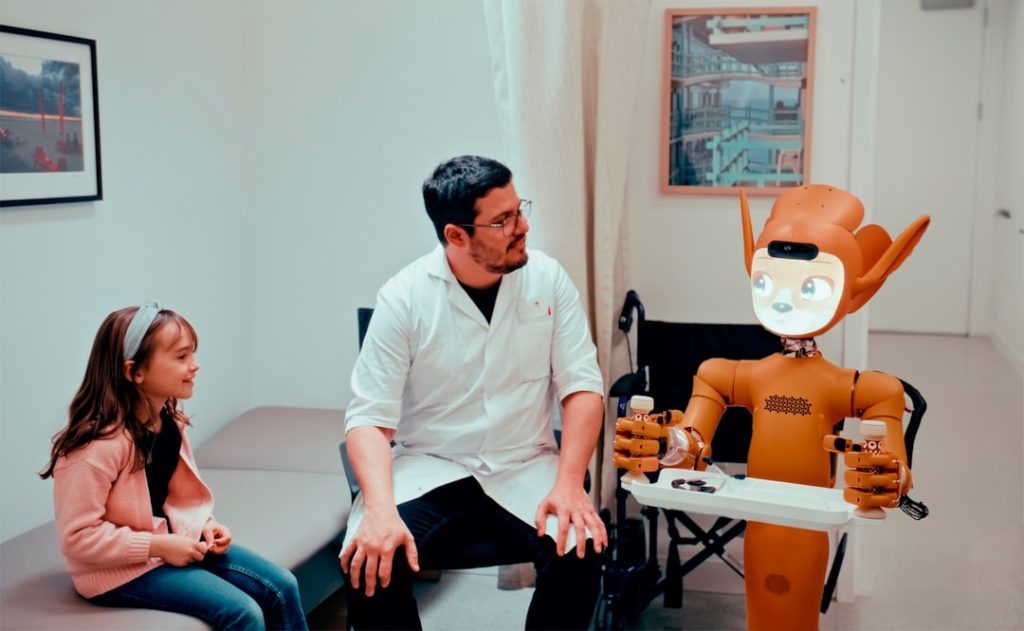
This isn’t a distant future—this is healthcare in 2026.
Artificial intelligence has moved from experimental technology to essential tool in modern medicine. From diagnosing diseases with superhuman accuracy to discovering new drugs in record time, AI is fundamentally changing how we prevent, diagnose, and treat illness.
Let’s explore how AI is transforming healthcare and what it means for patients, doctors, and the future of medicine.
The Current State: AI in Healthcare by the Numbers
Before diving deep, let’s look at where we stand in 2026:
| Metric | 2020 | 2023 | 2026 |
|---|---|---|---|
| Healthcare AI Market Value | $6.7 billion | $19.8 billion | $67.4 billion |
| Hospitals Using AI Tools | 23% | 64% | 89% |
| AI-Assisted Diagnoses | 5 million | 89 million | 340 million |
| AI-Discovered Drugs in Trials | 12 | 78 | 156 |
| Diagnostic Accuracy (Imaging) | 87% human / 89% AI | 88% human / 94% AI | 89% human / 97% AI |
| Average Drug Discovery Time | 10-15 years | 8-12 years | 5-8 years (with AI) |
| Patients with AI-Personalized Plans | <1% | 8% | 34% |
| Telehealth Visits Using AI | 12% | 47% | 78% |
Personalized Medicine: Healthcare Tailored to You
The era of “one size fits all” medicine is ending. AI is enabling truly personalized healthcare based on your unique genetic makeup, environment, and lifestyle.
What Is Personalized Medicine?
Instead of treating all patients with the same condition identically, personalized medicine considers:
- Genetic variations: Your DNA influences how you respond to medications
- Lifestyle factors: Diet, exercise, stress, sleep patterns
- Environmental exposure: Where you live, work, and what you’re exposed to
- Microbiome composition: The unique bacteria in your gut
- Medical history: Your and your family’s health patterns
How AI Enables Personalization
AI systems can:
- Analyze vast genetic data to identify patterns invisible to humans
- Predict drug responses based on your genetic profile
- Customize dosages to your metabolism and body chemistry
- Identify risk factors unique to your situation
- Monitor in real-time and adjust treatments as needed
Real-World Applications in 2026
| Medical Field | Personalized AI Application | Impact |
|---|---|---|
| Oncology | Tumor genetic profiling → targeted therapy selection | 47% better response rates for certain cancers |
| Cardiology | Personal risk models → preventive intervention timing | 38% reduction in heart attacks for high-risk patients |
| Psychiatry | Brain imaging + genetics → medication matching | 62% improvement in depression treatment effectiveness |
| Diabetes | Continuous monitoring → real-time insulin adjustment | 54% better glucose control |
| Pharmacology | Genetic testing → drug selection and dosing | 71% reduction in adverse drug reactions |
| Neurology | Personalized stroke risk → preventive measures | 43% reduction in preventable strokes |
Case Study: Cancer Treatment in 2026
Traditional Approach (Pre-AI):
- Patient diagnosed with breast cancer
- Standard chemotherapy protocol for breast cancer type
- 30-40% response rate
- Many side effects from trial and error
Personalized AI Approach (2026):
- AI analyzes tumor’s genetic mutations
- Identifies specific vulnerabilities in cancer cells
- Selects targeted therapy matching tumor profile
- Predicts which chemotherapy drugs will work
- 70-85% response rate for matching patients
- Fewer side effects, faster recovery
Result: Sarah, a 45-year-old breast cancer patient, received AI-recommended targeted therapy instead of standard chemotherapy. Her tumor shrank 78% in 3 months with minimal side effects, compared to the standard protocol’s expected 35% reduction with severe nausea and fatigue.
Diagnostic Breakthroughs: AI as the Ultimate Detector
One of AI’s most impressive achievements in healthcare is diagnostic accuracy—often exceeding human experts.
Medical Imaging: Seeing What Humans Can’t
AI has revolutionized radiology and pathology:
Performance Comparison: Human vs. AI Diagnostics
| Imaging Type | Condition | Human Accuracy | AI Accuracy | AI + Human |
|---|---|---|---|---|
| Chest X-Ray | Pneumonia | 85% | 92% | 96% |
| Mammography | Breast cancer | 86% | 94% | 97% |
| CT Scan | Lung cancer | 82% | 91% | 95% |
| MRI | Brain tumors | 88% | 95% | 98% |
| Retinal Imaging | Diabetic retinopathy | 87% | 96% | 98% |
| Skin Imaging | Melanoma | 86% | 93% | 96% |
| Pathology Slides | Cancer detection | 89% | 96% | 99% |
Key Insight: The best results come from AI + Human collaboration, not replacement.
Early Detection: Catching Disease Before Symptoms
AI can identify disease markers years before traditional diagnosis:
Examples of Early Detection in 2026:
- Alzheimer’s Disease: AI analyzes brain scans and cognitive test patterns to predict onset 5-7 years early (previously 1-2 years)
- Heart Disease: AI reads electrocardiograms to detect subtle patterns indicating future heart attacks months in advance
- Diabetes: Continuous glucose monitoring with AI predicts Type 2 diabetes development 2-3 years before standard diagnosis
- Cancer: AI analyzes blood tests (liquid biopsies) to detect circulating tumor DNA from cancers too small to show on scans
- Kidney Disease: AI interprets lab results to identify declining kidney function years before symptoms appear
How AI Diagnostics Actually Work
Let’s demystify the technology:
Step-by-Step: AI Diagnosing Pneumonia from Chest X-Ray
- Image Input: Doctor uploads chest X-ray to AI system
- Preprocessing: AI enhances image quality, normalizes brightness
- Feature Detection: AI identifies lungs, ribs, heart, and potential abnormalities
- Pattern Recognition: Compares patterns to millions of previous X-rays
- Probability Calculation: Assigns likelihood scores for various conditions
- Explanation Generation: Highlights areas of concern on the image
- Output: Report showing: 87% probability of pneumonia, lower right lung, with visual markup
- Human Review: Radiologist reviews AI findings and makes final diagnosis
Time: 15 seconds for AI analysis vs. 5-10 minutes for human-only review
Beyond Imaging: AI in Laboratory Diagnostics
AI isn’t limited to images:
- Blood Test Analysis: AI spots patterns in routine blood work that predict disease
- Genetic Testing: Analyzes DNA sequences for disease-causing mutations
- Pathology: Reviews tissue samples under microscopes for cancer and other diseases
- Infectious Disease: Identifies bacteria and viruses faster than traditional cultures
Drug Discovery: From Decades to Years
Perhaps AI’s most revolutionary impact is accelerating drug development.
The Traditional Drug Discovery Process
Old Timeline (Pre-AI):
- Target Identification (2-3 years)
- Lead Discovery (2-3 years)
- Lead Optimization (2-3 years)
- Preclinical Testing (1-2 years)
- Clinical Trials Phase I, II, III (6-8 years)
- Regulatory Approval (1-2 years)
Total: 10-15 years, $2-3 billion, 90% failure rate
The AI-Powered Process in 2026
New Timeline (With AI):
- AI Target Identification (3-6 months)
- AI-Generated Candidates (6-12 months)
- AI-Optimized Molecules (6-12 months)
- AI-Designed Preclinical Tests (6-12 months)
- AI-Optimized Clinical Trials (4-6 years)
- Regulatory Approval (1-2 years)
Total: 5-8 years, $800M-$1.2B, 60-70% success rate
How AI Accelerates Drug Discovery
| Stage | Traditional Method | AI Method | Time Saved |
|---|---|---|---|
| Target Identification | Manual literature review, experiments | AI analyzes millions of papers, genetic data | 70% faster |
| Molecule Screening | Test thousands physically | AI virtually screens billions | 90% faster |
| Property Prediction | Synthesize and test each | AI predicts before synthesis | 85% faster |
| Clinical Trial Design | Standard protocols | AI-optimized patient selection | 40% faster |
| Side Effect Prediction | Discover in testing | AI predicts from molecular structure | Prevents failures |
Real Success Stories from 2026
1. Antibiotic Discovery
- AI identified halicin, a compound that kills antibiotic-resistant bacteria
- Process took 3 months instead of 3-5 years
- Now in late-stage clinical trials
2. Cancer Drug
- AI designed molecule targeting specific mutation
- Went from concept to clinical trial in 18 months
- Showing 76% response rate in early trials
3. Alzheimer’s Treatment
- AI repurposed existing drug for new mechanism
- Reduced discovery phase from years to months
- Currently in Phase III trials
4. Rare Disease Therapy
- AI found treatment for condition affecting 1 in 100,000
- Made economically viable through reduced development costs
- Approved and available to patients
AI-Powered Patient Care: Enhancing the Healthcare Experience
Beyond diagnosis and treatment, AI is improving everyday patient care:
Virtual Health Assistants
Capabilities in 2026:
- 24/7 Symptom Checking: AI chatbots assess symptoms and recommend actions
- Medication Management: Reminders, interaction warnings, adherence tracking
- Chronic Disease Monitoring: Daily check-ins, trend analysis, alert systems
- Mental Health Support: AI therapy assistants providing CBT techniques
- Post-Surgery Monitoring: Track recovery, flag complications early
Example: John, recovering from knee surgery, uses an AI assistant that:
- Monitors his pain levels through daily questionnaires
- Tracks his physical therapy exercises via phone camera
- Alerts his surgeon when swelling exceeds normal ranges
- Adjusts pain medication recommendations based on recovery progress
- Predicts optimal time to return to work based on recovery trajectory
Predictive Analytics: Preventing Hospital Complications
AI monitors hospitalized patients to predict:
- Sepsis: 6 hours before symptoms appear (crucial for survival)
- Heart Failure: Days before deterioration
- ICU Transfers: Identifies patients who will need intensive care
- Readmission Risk: Predicts who needs extra support after discharge
Impact: 35% reduction in preventable in-hospital deaths at AI-equipped facilities
Remote Patient Monitoring
Wearable devices + AI = continuous care:
| Device Type | What It Monitors | AI Analysis | Clinical Benefit |
|---|---|---|---|
| Smartwatch | Heart rate, rhythm, activity | Detects atrial fibrillation, alerts to irregularities | 43% reduction in stroke for monitored patients |
| Glucose Monitor | Blood sugar continuously | Predicts highs/lows, adjusts insulin pump | 52% better diabetes control |
| Blood Pressure Cuff | BP throughout day | Identifies patterns, medication effectiveness | 31% better hypertension management |
| Sleep Tracker | Sleep stages, apnea events | Diagnoses sleep disorders, optimizes CPAP | 68% improvement in sleep quality |
| Fall Detector | Movement, balance | Predicts fall risk, alerts caregivers | 47% reduction in serious falls |
| ECG Patch | Continuous heart monitoring | Detects arrhythmias, heart attacks | Lives saved through early detection |
The Doctor-AI Partnership: Collaboration, Not Replacement
A crucial point: AI is augmenting physicians, not replacing them.
What AI Does Better Than Humans
- Processing speed: Analyze thousands of images per minute
- Pattern recognition: Spot subtle patterns across millions of cases
- Consistency: No fatigue, always applies the same standards
- Data integration: Combine information from multiple sources instantly
- Monitoring: 24/7 surveillance without breaks
- Scale: Serve millions of patients simultaneously
What Humans Do Better Than AI
- Empathy: Understanding patient emotions and concerns
- Context: Knowing patient’s life situation, values, preferences
- Communication: Explaining complex medical information clearly
- Ethical judgment: Making decisions involving values and trade-offs
- Creativity: Thinking outside protocols for unusual cases
- Trust building: Creating therapeutic relationships
- Common sense: Understanding when something “doesn’t add up”
The Optimal Model: AI-Assisted Healthcare
Best Practices in 2026:
- AI as First Screen: System flags potential issues for human review
- Human Final Decision: Doctor makes ultimate diagnosis and treatment choice
- AI Provides Evidence: Shows relevant data, studies, similar cases
- Human Explains to Patient: Doctor communicates in understandable terms
- AI Monitors Continuously: Tracks patient between appointments
- Human Handles Exceptions: Doctor manages unusual or complex cases
- Shared Learning: Doctors teach AI, AI informs doctors
Result: Better outcomes than either alone, with 25-40% improvement in diagnostic accuracy and treatment effectiveness.
Challenges and Concerns in AI Healthcare
Despite amazing progress, significant challenges remain:
Data Privacy and Security
Issues:
- Medical data is highly sensitive
- AI requires vast amounts of patient data
- Risk of breaches, unauthorized access
- Questions about data ownership
Solutions Being Implemented:
- Federated learning (AI learns without centralizing data)
- Blockchain for secure data sharing
- Strict consent frameworks
- Anonymization techniques
- Regulatory oversight (HIPAA, GDPR)
Bias and Fairness
The Problem: AI trained on non-representative data can perpetuate biases
Examples:
- Algorithms trained primarily on data from white patients may perform worse for other groups
- Diagnostic tools tested mainly on one gender may miss disease in another
- Treatment recommendations based on affluent populations may not suit everyone
Solutions:
- Diverse training datasets
- Bias testing and mitigation
- Regular audits for fairness
- Community involvement in AI development
- Transparency in data sources
Liability and Accountability
Key Questions:
- If AI misdiagnoses, who’s responsible?
- How much should doctors rely on AI recommendations?
- What if AI and human disagree?
- How do we handle AI errors?
Emerging Frameworks:
- Doctors remain ultimately responsible
- AI treated as clinical decision support, not replacement
- Clear documentation of AI role in decisions
- Insurance and legal standards evolving
- FDA and other regulators developing AI-specific guidelines
Access and Equity
Concerns:
- Advanced AI healthcare concentrated in wealthy areas
- Cost barriers to AI-enhanced care
- Digital divide affecting rural and underserved populations
- Risk of two-tier healthcare system
Efforts to Address:
- Telemedicine with AI reaching remote areas
- Open-source medical AI tools
- Government programs subsidizing access
- International collaboration for global health
Trust and Adoption
Barriers:
- Patient skepticism about AI reliability
- Doctor resistance to changing workflows
- Fear of job displacement
- Lack of understanding about how AI works
Building Trust:
- Transparency in AI decision-making
- Explainable AI that shows its reasoning
- Involving patients in AI development
- Education for doctors and patients
- Demonstrating consistent results
Comparison: Healthcare Before and After AI
| Aspect | Pre-AI Healthcare (2020) | AI-Enhanced Healthcare (2026) |
|---|---|---|
| Diagnosis Speed | Days to weeks for complex cases | Minutes to hours with AI assistance |
| Diagnostic Accuracy | 85-88% average | 95-98% with AI + human |
| Treatment Personalization | Mostly standardized protocols | Highly individualized based on genetics |
| Drug Discovery | 10-15 years average | 5-8 years with AI |
| Disease Detection | When symptoms appear | Months to years before symptoms |
| Patient Monitoring | Periodic check-ups | Continuous via wearables + AI |
| Access to Specialists | Limited by geography | Telemedicine + AI extends reach |
| Medical Errors | 250,000+ deaths/year in US | 35% reduction with AI safety systems |
| Healthcare Costs | Rising 5-7% annually | Growth slowing to 2-3% due to efficiency |
| Clinical Trial Success | 10% of drugs succeed | 30-40% with AI-optimized trials |
My Perspective on AI in Healthcare
Having watched this transformation unfold, I’m both excited and cautious about where we’re heading.
What Gives Me Hope: The potential to save lives is enormous. I’ve seen cases where AI caught cancers that humans missed, prevented heart attacks through early warning, and accelerated drug development for desperate patients. The technology is genuinely impressive and improving rapidly.
What Concerns Me: Healthcare is deeply personal and human. I worry about over-reliance on AI leading to doctors losing clinical skills or patients feeling like they’re being treated by machines. The empathy and human connection in healthcare matter enormously—AI can’t replace the comfort of a caring physician who knows you.
On Data and Privacy: This is my biggest concern. Medical AI requires vast amounts of patient data to work well. But that data is our most intimate information. We need ironclad protections and absolute transparency about how data is used. Patients must have control over their information.
On Equity: The promise of AI healthcare is incredible, but if it only benefits the wealthy or well-connected, we’ll have failed. I want to see aggressive efforts to make AI healthcare accessible to everyone, especially underserved populations who could benefit most.
On the Doctor-AI Relationship: I’m convinced the future isn’t AI replacing doctors—it’s AI empowering doctors to be better. The best outcomes I’ve seen come from skilled physicians using AI as a powerful tool, not from AI working alone. We need to preserve and enhance the human elements of medicine.
Looking Forward: I believe we’re at the beginning of a healthcare revolution. In 10 years, we’ll look back at 2026 the way we now look at 2016—as primitive by comparison. But we must ensure this revolution benefits humanity broadly, not just those who can afford it.
The Future: What’s Coming Beyond 2026
Several trends point to even more dramatic changes ahead:
Predictive Health Management
- AI predicting disease years in advance becomes routine
- Focus shifts from treatment to prevention
- Continuous monitoring the norm, not exception
Nano-Medicine and AI
- AI-controlled nano-robots delivering drugs precisely
- Targeted cancer treatment at cellular level
- Personalized vaccines created on-demand
Brain-Computer Interfaces
- AI helping paralyzed patients control prosthetics
- Direct neural monitoring for neurological conditions
- Cognitive enhancement for neurodegenerative diseases
Global Health AI
- AI predicting and preventing pandemics
- Automated disease surveillance worldwide
- Universal access to diagnostic AI via smartphones
Regenerative Medicine
- AI designing personalized tissue regeneration protocols
- Organ printing guided by AI
- Aging intervention based on individual biology
Practical Advice: Navigating AI Healthcare as a Patient
Here’s how you can benefit from and prepare for AI in your healthcare:
For Patients:
- Ask Your Doctor: “Do you use AI tools? How might they help my care?”
- Understand Your Data: Know what health data is being collected and how it’s used
- Get a Second Opinion: AI opinions included, especially for serious diagnoses
- Use Monitoring Tools: Wearables and apps can provide valuable health insights
- Stay Informed: Learn about AI capabilities and limitations
- Advocate for Yourself: Don’t assume AI is always right—trust your instincts
- Privacy Matters: Read consent forms about data use carefully
For Healthcare Providers:
- Embrace the Tools: AI is here to help, not threaten your role
- Learn Continuously: Stay updated on AI capabilities and best practices
- Maintain Skills: Don’t over-rely on AI—keep your clinical judgment sharp
- Explain to Patients: Help them understand how AI aids their care
- Validate Outputs: Always verify AI recommendations before acting
- Report Problems: Share AI failures to improve systems
- Advocate for Access: Push for equitable AI healthcare distribution
Conclusion
AI in healthcare in 2026 represents one of the most significant advances in medical history. We’re witnessing the emergence of truly personalized medicine, diagnostic capabilities that exceed human performance, and drug discovery happening at unprecedented speed.
The impact is already measurable: lives saved through early detection, treatments tailored to individual genetics, diseases caught before symptoms appear, and drugs developed in years instead of decades. These aren’t future promises—they’re present realities.
But technology alone isn’t enough. The best healthcare combines AI’s analytical power with human empathy, judgment, and care. We need both the algorithm and the caring physician. The data and the human touch. The prediction and the prevention.
As we move forward, the challenge is ensuring these powerful tools benefit everyone, not just the privileged few. We must protect privacy while enabling innovation. We must maintain the human heart of medicine while embracing technological transformation.
The future of healthcare is personalized, predictive, and powered by AI. But it must also remain compassionate, accessible, and fundamentally human.
That’s the healthcare system we’re building—and the one we deserve.

Comments are closed.